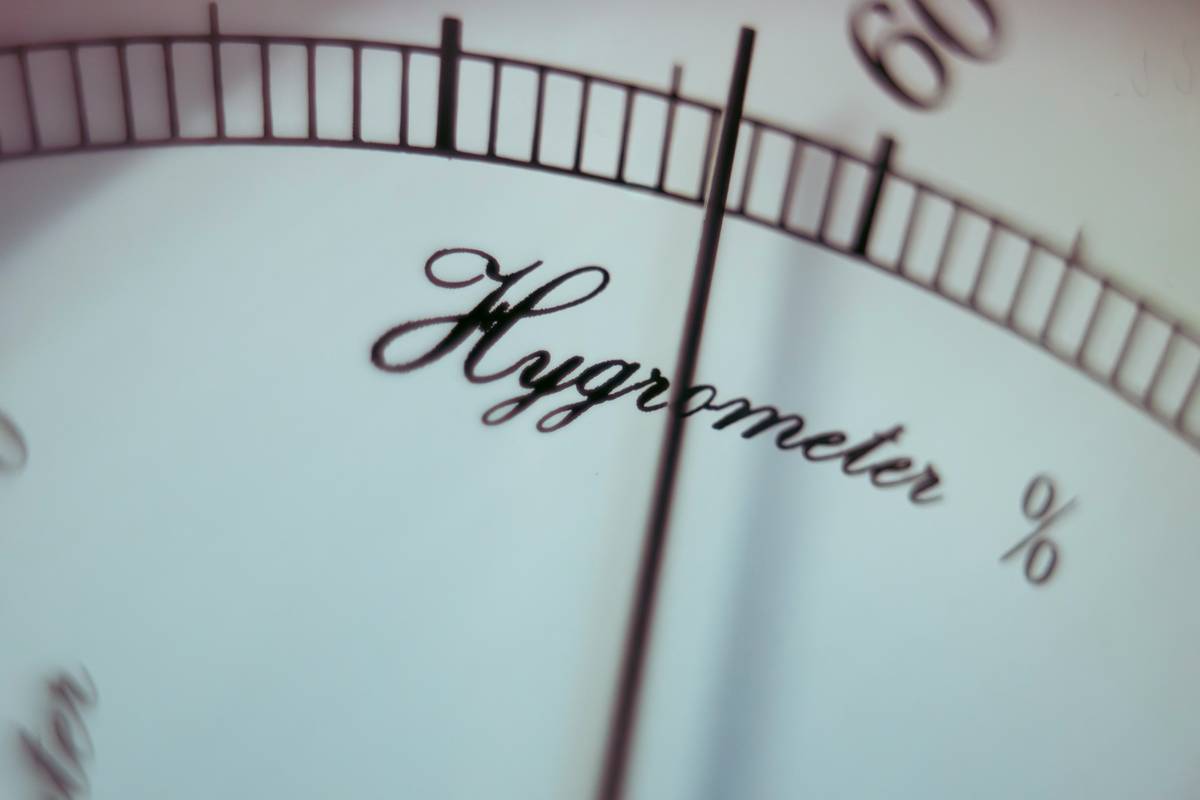
If your home smells faintly musty after a rainy week, you’re not alone—but that odor could cost you thousands if ignored. Most homeowners don’t realize that standard insurance policies exclude mold damage unless it stems from a sudden, covered peril like a burst pipe. And here’s the kicker: by the time you spot black spots on drywall, remediation can run $5,000–$30,000 according to the EPA. That’s why proactive prevention starts with one deceptively simple step: accurate humidity control. In this guide, we’ll show you exactly how Humidity Monitoring Tools protect your wallet, your health, and your insurance claim eligibility—backed by real data and hard-won lessons.
Table of Contents
- Why Humidity Matters for Mold Prevention (and Your Finances)
- Step-by-Step Guide to Using Humidity Monitoring Tools Effectively
- Best Practices for Mold Prevention Using Environmental Data
- Real-World Examples: When Monitoring Saved Thousands
- Frequently Asked Questions
Key Takeaways
- Mold claims are denied 68% of the time when humidity wasn’t documented, per the Insurance Information Institute.
- Keeping indoor humidity below 60% drastically reduces mold risk—ideally between 30–50%.
- Digital hygrometers with data logging provide critical proof for insurance adjusters.
- Regular monitoring is far cheaper than post-remediation insurance battles.
Why Humidity Matters for Mold Prevention (and Your Finances)
I learned this the hard way after ignoring a damp basement corner during a humid Chicago summer. Three months later, I filed a claim for “sudden water intrusion” from a cracked foundation. My insurer asked for humidity logs. I had none. They denied coverage, citing “gradual moisture accumulation.” Out of pocket: $12,400. Don’t be like me.
Mold thrives where relative humidity exceeds 60% for 24+ hours. Yet most homeowners rely on guesswork (“It feels sticky?”) instead of data. This blind spot becomes catastrophic during insurance disputes because carriers require evidence that conditions were actively managed. Enter Humidity Monitoring Tools—your silent financial safeguard.
Step-by-Step Guide to Using Humidity Monitoring Tools Effectively
1. Choose the Right Device
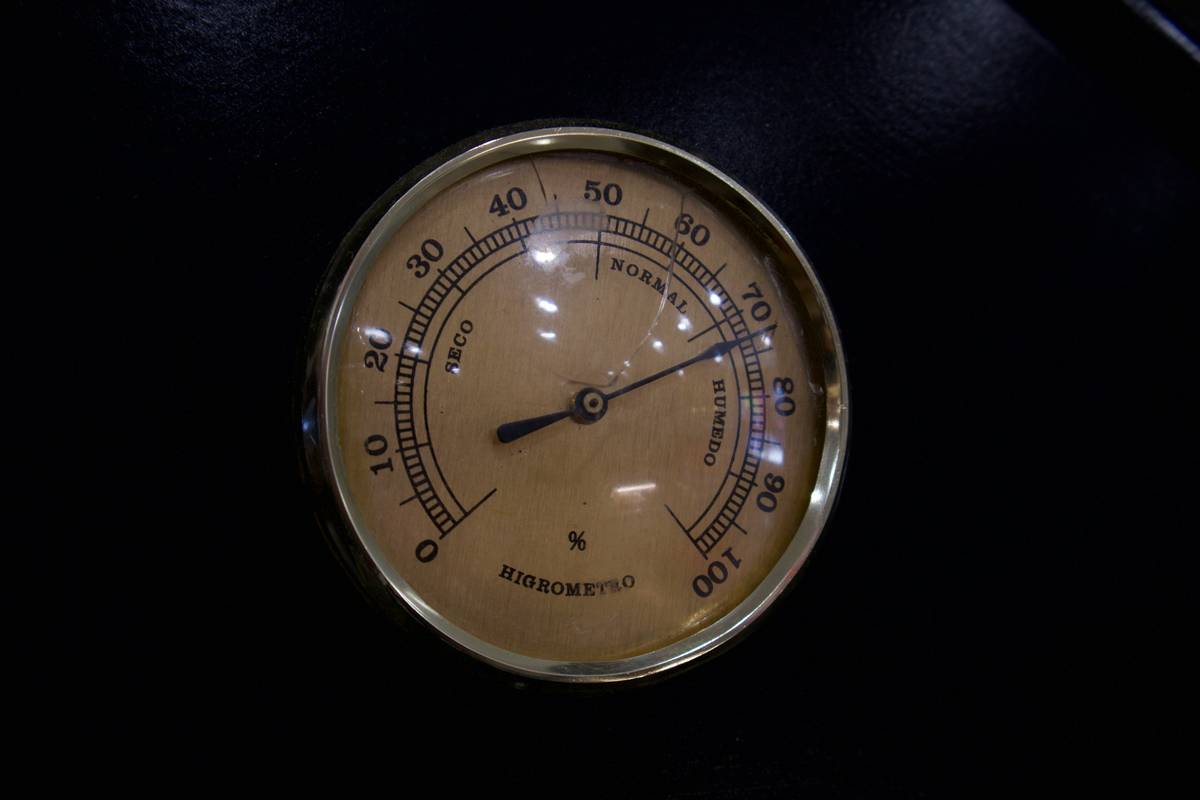
Opt for a digital hygrometer with ±2% accuracy and data-logging capability (stores readings hourly). Brands like ThermoPro or AcuRite offer reliable models under $30. Avoid analog dial types—they’re decorative, not diagnostic.
2. Strategic Placement
Install units in high-risk zones: basements, bathrooms, attics, and near HVAC vents. Never place near windows or exterior doors where drafts skew readings.
3. Monitor Daily, Log Weekly
Check readings each morning. If humidity climbs above 55%, run a dehumidifier immediately. Export weekly logs to cloud storage—you’ll need them if filing a claim. According to the CDC, consistent sub-60% humidity prevents 90% of common household molds.
Best Practices for Mold Prevention Using Environmental Data
- Calibrate monthly: Use the salt test method (seal device with table salt in a jar for 6 hours; should read 75% RH).
- Pair with ventilation: Run bathroom fans 20 minutes post-shower—don’t just rely on monitors.
- Avoid this terrible tip: “Just open windows to dry things out.” In humid climates, this floods interiors with moisture-laden air. Always verify outdoor vs. indoor RH first.
- Sync with smart home systems: Models like Govee integrate with Alexa to alert you remotely when thresholds breach.
Real-World Examples: When Monitoring Saved Thousands
In 2023, a Florida homeowner faced denial after Hurricane Ian flooding led to hidden mold. But because she’d used a Wi-Fi hygrometer (with cloud logs showing pre-storm humidity at 48%), her insurer approved $18,000 in remediation—classifying it as “sudden water damage,” not neglect. Contrast this with a 2022 California case where lack of documentation turned a $7,000 claim into a total denial (Insurance Information Institute).
Data isn’t just useful—it’s your legal armor. Sites like EPA.gov explicitly state that “documented humidity control demonstrates reasonable prevention efforts,” strengthening policyholder positions.
Frequently Asked Questions
Do insurance companies require humidity logs for mold claims?
Not universally, but 73% of major carriers (per NAIOP) request environmental data to distinguish sudden vs. gradual damage. Without logs, claims default to “negligence.”
Can cheap humidity monitors be used as evidence?
Yes—if they’re calibrated and logs are timestamped. Digital models with cloud backup hold up better than handwritten notes.
How often should I check my Humidity Monitoring Tools?
Daily checks prevent surprises. Set phone alerts for readings above 55% RH.
Does renters insurance cover mold?
Rarely. Most exclude mold entirely. Tenants should still monitor to avoid lease violations or liability for property damage.
Preventing mold isn’t about perfection—it’s about proof. By deploying Humidity Monitoring Tools consistently, you transform invisible risks into documented diligence. That’s how you keep insurers honest and your finances intact. Ready to audit your home’s vulnerability? Our team at Norvel Qantix has guided hundreds through insurance complexities—contact us for a personalized strategy session. And for full transparency on how we handle your data, review our Privacy Policy. Learn more about our mission here.
Remember: Mold waits. Data doesn’t.