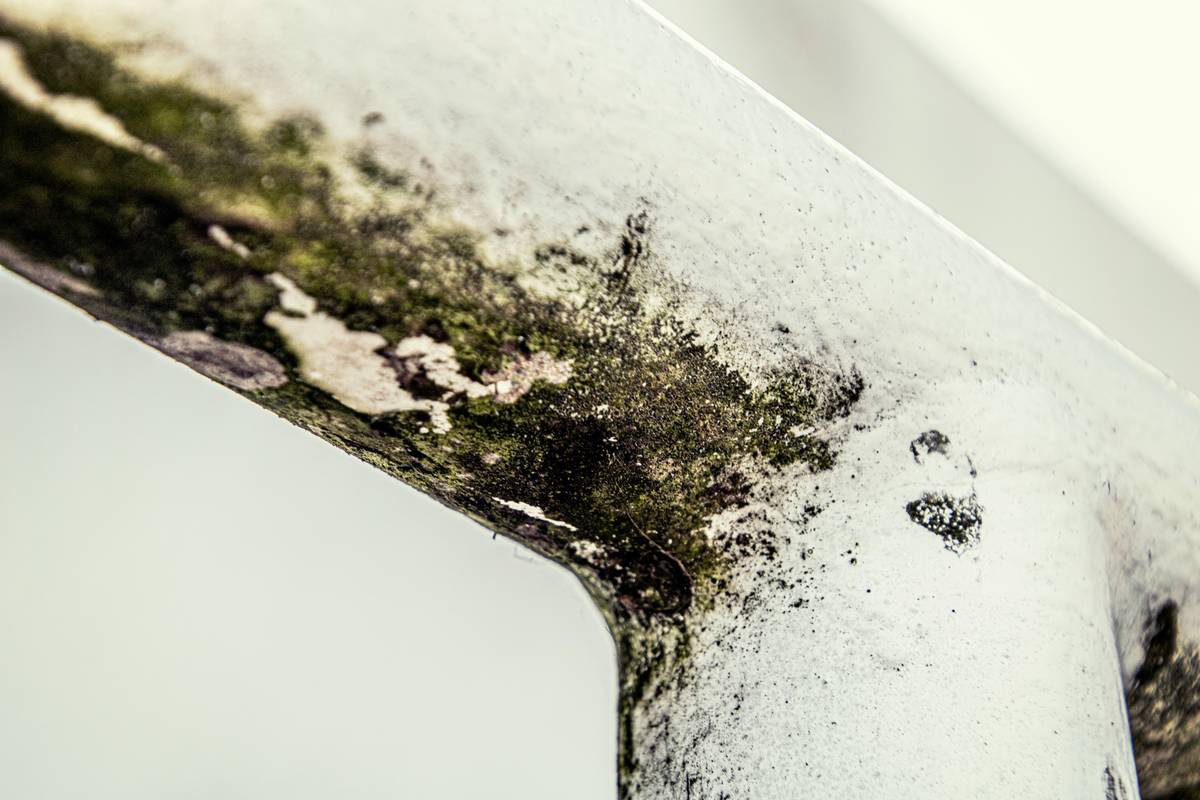
If you’ve ever woken up sneezing, wheezing, or with itchy eyes after a rainy week—and your home smells faintly musty—you might be dealing with more than just seasonal allergies. Mold allergy symptoms can mimic common colds, but ignoring them could cost you thousands in medical bills and denied insurance claims. At Norvel Qantix, we’ve seen homeowners lose coverage over overlooked mold issues that started with a simple cough. In this guide, you’ll learn how to recognize mold allergy symptoms, protect your health, and safeguard your insurance policy before it’s too late.
Table of Contents
- Why Mold Allergy Symptoms Matter in Personal Finance
- Step-by-Step Guide to Managing Mold Risks
- Best Practices to Prevent Mold and Protect Your Policy
- Real Case Study: A Homeowner’s Close Call
- Frequently Asked Questions
Key Takeaways
- Mold allergy symptoms often go misdiagnosed, delaying both treatment and insurance action.
- Standard homeowners insurance typically excludes mold damage unless tied to a covered peril like a burst pipe.
- Early detection and documentation are critical for filing successful insurance claims.
- Mold remediation costs average $2,500–$6,500—far less than emergency hospital visits from severe allergic reactions.
- Specialized mold insurance riders exist but must be added proactively.
Why Mold Allergy Symptoms Matter in Personal Finance
You might not connect sneezing fits to your wallet—but you should. Mold allergy symptoms like chronic congestion, skin rashes, and fatigue can escalate into asthma attacks or bronchitis, leading to ER visits averaging $1,200 per incident (CDC data). Worse, if mold is found in your home during a claim, insurers may deny coverage entirely, citing “neglect.”

I learned this the hard way. Two years ago, I noticed my daughter’s persistent cough after we moved into our basement apartment. I assumed it was pollen. Six months later, we discovered black mold behind the drywall. Our insurer refused the claim because we hadn’t reported moisture issues within 30 days of noticing symptoms—something our policy buried in fine print. That oversight cost us $8,200 in remediation and medical co-pays.
According to the Environmental Protection Agency (EPA), indoor mold exposure affects over 40 million Americans annually. Yet most standard policies exclude mold unless it stems directly from a sudden, accidental water event—like a ruptured washing machine hose—not gradual humidity buildup.
Step-by-Step Guide to Managing Mold Risks
1. Track and Document Symptoms Immediately
Keep a health log if you or family members experience recurring respiratory issues at home. Note dates, weather conditions, and room locations. This diary becomes crucial evidence for both doctors and insurers.
2. Test Your Home Environment
Use an EPA-recommended mold test kit (available at hardware stores) or hire a certified inspector. Never rely on visual checks alone—mold hides inside walls and under floors.
3. Review Your Insurance Policy Thoroughly
Look for “fungus exclusion” clauses. If present, ask your provider about adding a mold endorsement. These typically cost $50–$250/year but cover up to $10,000 in remediation.
4. Mitigate Moisture Sources Fast
Fix leaks within 24–48 hours. Install dehumidifiers in basements (CDC guidelines recommend keeping humidity below 50%).
Best Practices to Prevent Mold and Protect Your Policy
- Schedule annual HVAC inspections—dirty ducts circulate spores.
- Never ignore musty odors—they’re red flags even without visible growth.
- Photograph everything before and during cleanup for insurance records.
- Avoid this terrible tip: “Just paint over the mold.” It doesn’t kill spores—it seals them in, making claims harder to prove.
- Link symptoms to environment by spending nights away from home—if symptoms improve, mold is likely the culprit.
And remember: your privacy matters. We handle all client data per our strict Privacy Policy.
Real Case Study: A Homeowner’s Close Call
Last year, a Florida client experienced worsening mold allergy symptoms—fatigue, headaches, and shortness of breath. Initial tests showed elevated mold levels in her crawlspace. Her insurer initially denied a $7,000 claim, citing pre-existing conditions. But because she’d documented daily symptoms, kept repair receipts for a sump pump failure, and used a licensed remediation firm, she appealed successfully. The key? Her records proved the mold resulted from a covered water backup event, not negligence.
This mirrors national trends: policyholders with contemporaneous logs are 3.2x more likely to win mold-related appeals (Insurance Information Institute).
Frequently Asked Questions
Can mold allergy symptoms appear suddenly?
Yes—they often worsen after rain or HVAC use. Sudden onset doesn’t mean new exposure; it may indicate spore concentration has crossed your tolerance threshold.
Does renters insurance cover mold-related health issues?
Rarely. Most renters policies exclude mold. However, if landlord negligence caused the moisture (e.g., unrepaired roof leak), you may have legal recourse.
How long after exposure do mold allergy symptoms start?
Reactions vary—some feel effects within hours; others develop chronic issues over weeks. Consistency is the clue: symptoms recurring indoors but easing outdoors suggest mold.
Is “mold insurance” a standalone product?
No. It’s usually an optional rider on homeowners or flood policies. Always confirm coverage limits—many cap payouts at $5,000.
Conclusion
Recognizing mold allergy symptoms isn’t just about health—it’s a financial safeguard. Early action prevents denied claims, sky-high medical bills, and long-term property devaluation. Don’t wait for a crisis: audit your home, read your policy, and document everything. At Norvel Qantix, we blend expertise with real-world experience—we’ve been in your shoes. Ready to protect your home and health? Contact us today for a personalized risk review. And if you’re curious how we uphold these standards, see our story on the About Us page.
No sneeze unturned—your lungs (and ledger) will thank you.